
Style as a Resistance
From Vivienne Westwood to Gwen Stefani
There was a time when style wasn’t about trends.
It was about choosing yourself.
Clashing in the late seventies
In the late seventies and eighties, clothing stopped behaving. It tore, it clashed, it spoke back. Not because it wanted attention, but because it refused obedience. Fashion became language — and sometimes, a warning.
Vivienne Westwood understood this before most people did. She didn’t dress bodies; she armed them. Safety pins weren’t decoration, tartan wasn’t heritage, and corsets weren’t about romance. They were about tension. About friction. About standing visibly out of line.
Vivienne Westwood understood this before most people did. She didn’t dress bodies; she armed them. Safety pins weren’t decoration, tartan wasn’t heritage, and corsets weren’t about romance. They were about tension. About friction. About standing visibly out of line.
Style, in her hands, became resistance.
Not loud resistance. Not slogans.
But refusal — worn daily.
Around the same time, pop culture was rewriting its own rules. Madonna didn’t wait to be styled; she styled herself into existence. Each era a reconstruction, each look a decision. Lace gloves, crucifixes, underwear as outerwear — not because it shocked, but because it claimed control.
Her genius wasn’t provocation.
It was authorship.
By the nineties and early 2000s, rebellion had learned how to smile. Gwen Stefani mixed punk attitude with pop precision, Japanese street style with Californian ease. She made contradiction wearable. Tough and playful. Controlled and chaotic.
What connected these women wasn’t fashion.
It was permission.
Permission to assemble an identity instead of inheriting one.
Permission to mix references without asking if they belonged together.
Permission to look like yourself — even if no one had seen that version before.
What’s often forgotten is how radical this was — even in a world that called itself liberated.
The music scenes, fashion houses and cultural stages of that era were still largely shaped by male voices. Freedom existed, but it was conditional. Women were visible, but rarely in control of the narrative.
That’s what made figures like Westwood, Madonna and Stefani quietly disruptive. They didn’t ask for space inside an existing system; they bent it. They used style not to fit in, but to rewrite who was allowed to be seen, heard and remembered — on their own terms.
That spirit lives on in The Basement.
Not as nostalgia, but as residue.
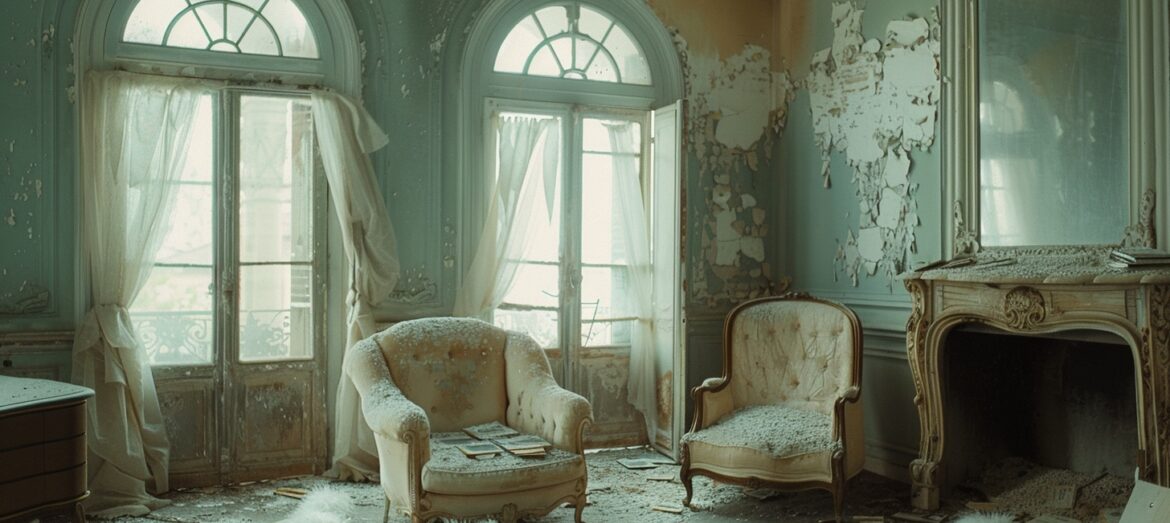
As echoes in abandoned hotel rooms after the tour bus left.
As eyeliner smudged on a bathroom mirror.
As lyrics written once, then carried forever.
The Basement is where objects don’t try to please.
Where prints behave like statements.
Where style isn’t softened for approval.
It’s not about recreating punk, or new wave, or pop rebellion.
It’s about recognising the moment when you realised that rules were optional.
Some people collect fashion.
Others collect moments of refusal.
The Basement is for the latter.
Style doesn’t age. Obedience does.
Other Basement Stories
Not some nostalgia
While the 80s still matter
- coming soon
Music for the future
The lyrics you didn't understand yet
- coming soon
Growing up in the eighties
Borrowed clothes, borrowed courage
- coming soon